Healthy lifestyle

A healthy lifestyle is one which helps to keep and improve people's health and well-being.Many governments and non-governmental organizations have made big efforts in healthy lifestyle and health promotion.

Mental Health

Mental health can be considered a very important factor of physical health for the effects it produces on bodily functions. This type of health concerns emotional and cognitive well-being or an absence of mental disorder.

Public health

Public health can be defined in a variety of ways. It can be presented as "the study of the physical, psychosocial and socio-cultural determinants of population health and actions to improve the health of the population.

Reproductive Health

For the UN, reproductive health is a right, like other human rights. This recent concept evokes the good transmission of the genetic heritage from one generation to the next.

Health

Health is a state of complete physical, mental and social well-being, and not merely the absence of disease or infirmity.

mardi 16 juin 2020

My Fiancé and I Committed to 30 Days of Instagram Workouts, and It Seriously Paid Off

Prior to the COVID-19 pandemic, I was a fitness class fanatic. When my state went under a stay-at-home order and all my beloved fitness studios closed their doors, I was a bit panicked. I've never been interested in at-home workouts, and worried that I wouldn't be able to motivate myself to do them. Then I met Jon Knopke (remotely), the CEO of Health House. He told me about his rowing studios in Los Angeles and Kansas City and explained that they were offering free daily Instagram Live workouts focused on high-intensity strength training. He encouraged me, along with my fiancé, to commit to following their workouts for 30 days in a row. What did I have to lose?

Well, rest days for one. It seemed a bit extreme to do a workout every single day, but because Health House classes focus on different muscle groups each day, you can do these workouts seven days a week. And I was more than willing to give it a try. My wedding is scheduled for September (although now, it's a bit up in the air), and I didn't want to stop exercising just because I was at home. I had a vision of me in my wedding gown and was very interested to see if I'd notice a physical change after the 30 days.

I'll admit that after the first workout, I wondered how I was going to do this every day for the next four weeks. These workouts were tough, but my fiancé and I are alike in the sense that once we commit to something, we're all in. Having him next to me was just the push I needed to keep giving my all, even when I wanted to collapse. And even through the phone, I felt connected to the instructors, who were so encouraging and energetic. These were my biggest - and most surprising - takeaways after the 30 days:

Posting About My Workouts Made Me Work Harder

I'll do the occasional Instagram Story or two, but I was never one to share every detail of my day. I always thought, Does anyone care? Yet once I decided to announce we were doing a 30-day challenge on Instagram, and began posting short videos of our daily workouts, I felt a responsibility to keep my word. Posting those videos kept me accountable. Plus, the constant "likes" from Health House, as well as the encouraging words from friends, were a nice reminder that I should be proud of the work I was putting in.

Related: I Practiced Yoga Every Day For a Month, and I'm Stronger, Emotionally and Physically

I Gained Weight, and I Didn't Freak Out

Before this challenge, I was very focused on the number on the scale - but over the course of those 30 days, I shifted my attention to how I actually felt. Surprisingly, while I had gained weight, I liked the way I looked in the mirror. Knopke had advised us to add more weight to our workouts as we progressed, and I realized that in the past - though I worked out consistently - I had never really pushed myself in that way.

For the first time ever, I felt myself getting stronger. I was able to complete a round of push-ups without dropping to my knees. My go-to set of weights increased from 5 pounds to 12! I can see definition in my arms and even some in my abs, and when you feel that good, who cares about the number on the scale?

Working Out Every Day Helped Ease My Anxiety

I've always found that exercise helps with anxiety, but this daily commitment was even more beneficial. During this time of uncertainty (with COVID-19, my wedding, and my career), my anxiety has been at an all-time high. Before these workouts, I felt like I lacked purpose and I had no routine to help get me through the day, which only increased my anxiety. Once we added in a commitment to Health House, I suddenly had something on my calendar. It gave me purpose, and in turn, I felt less stressed and happier.

Related: I Started Taking a Second Walk Every Evening, and I Feel Calmer and Happier

It Strengthened My Relationship

While my fiancé and I have been together 24/7 these past two months, there's a difference between being together and spending quality time. Our workouts allowed us to carve out 45 minutes of quality time together, every day. No matter what the day brought, I knew the two of us at the very least had this time together, without any other distractions. We joked about the workouts, encouraged each other in the moment, and complimented each other on how far we had both come.

Even now that our 30-day commitment is over, we've continued work out together daily. While the Health House workouts aren't easy, the feelings of accomplishment supersede any of the temporary pain. I look forward to logging on to Instagram and joining the instructors every day. I don't see us stopping until they do!

How Being Apart From My Dad During Quarantine Has Strengthened Our Bond

When social distancing was enforced, I frantically called my dad to figure out what to do. Calling him when faced with an important life decision is something I always do, and it's my way of including him in my life as much as I can, even when we live 1,560 miles apart.

My dad, as the overly cautious man he is, told me to stay put. At the time, we didn't know if lockdown would mean two weeks or two months, and all countries were in a different timeline, so if I traveled to Dominican Republic to isolate with my parents, there was no way of knowing how long I'd stay there. What if NYC reopened and I was called back into my office, he worried, but I couldn't go because I was stuck in the DR with airports closed? He didn't want that to happen because not being able to show up at work "would look bad" on me.

That's my dad. Always thinking ahead, making sure whatever the outcome is, his kids are always set up for success. Often in Latinx cultures, we tend to highlight how important our mothers are, but in so many cases our dads are also there too, pushing and encouraging us behind the scenes, working hard to set a good example, and saying the things we need to hear at the right time.

Many Latino dads are so loving, and this is something we don't often see portrayed in popular culture. We often see the outdated machismo stereotype, showing dads that are incapable of expressing their love, when for many of us, every little thing our dads do is a reflection of their love for their children.

Even though my dad told me to stay in NYC during the pandemic, he'd still call every single day. He would ask about my day, about the news, how I was doing, how my dog was doing. Even if it was a two-minute conversation, he'd always make himself present. I checked in on him too - I'd ask about how he was adapting to working from home, since that was something completely new for him, but an area where I had more experience.

We got comfortable doing video calls, sharing stories and even shows to watch. As we ended our calls, he'd say "no salgas!" ("don't go out!") followed by "y si tienes que salir, usa tu mascarilla" ("if you have to go out, wear your face mask"). While we were already used to the physical distance between us, we always knew when we'd see each other next, which gave us something to look forward to. Not knowing when that would be made us hold onto the little interactions we had virtually, and in a way, it helped strengthen our bond.

This has been a learning and adapting experience for all, yet my dad makes it seem so easy. Whenever we talk it's as if he's discovered something new that day, or he realized he could do something he didn't think was possible. Talking to my dad through this quarantine period has been such a joy. I don't know if he does it on purpose to keep me distracted from everything that's happening in the world, but it makes my day.

He might not be one to say "I love you" all the time, but he sure shows it.

He might not be one to say "I love you" all the time, but he sure shows it. With every single thing he does - from making sure I have a solid work ethic, to recommending TV shows on Netflix - he's telling me how much he loves me and cares.

With countries slowly reopening, international flights are starting to take off, and I can finally book a flight to go home for a bit. I might not make it in time to be with him for Father's Day, but luckily for me, Dominican Father's Day is later in July, and I'm ready to tell him how much I love him back in person.

Elisabeth Akinwale Writes Letter to Black Athletes in CrossFit: "You Build Your Own Table"

CrossFit competitor Elisabeth Akinwale is a well-known name in the CrossFit world; the athlete, mother, and coach has won more than 20 events at the Games and Regionals. So when she shared a letter on Instagram addressed to "Black folks in CrossFit" to recognize that she and others have felt harmed and disappointed by the brand - and to write something specific for those who had reached out to her - it resonated.

Elisabeth explained in the letter, published on June 4, that of the 22 years she's been training, she spent about six of them in the CrossFit space and competed in five CrossFit Games from 2011 to 2015. She's never had an official relationship with CrossFit headquarters or a CrossFit affiliate, but she wrote: "I've had the honor and pleasure of knowing and collaborating with some CrossFit athletes that are doing amazing works in their communities, met lots of lovely people, and had transformative experiences."

But for the past decade, Elisabeth said, she's been asked to account for CrossFit's failure to integrate. "I always wondered why these questions were directed to me and not to the establishment," she wrote. From her experience and what she's seen, she said, nothing much has evolved, but she applauded anyone taking part in activism to help make changes in CrossFit. "It's heartening to see the number of people who are speaking up for righteousness. That is progress. The atmosphere is different now and I have hope that can lead to change."

Elisabeth continued, "I dedicated a good deal of myself trying to create space for us in CF," through representation at CrossFit events, countless posts discussing these important issues, conversations, videos, and blogs. "At a certain point you stop asking for a seat at the table and you build your own table."

Because CrossFit is a business, Elisabeth wrote, it is responsible for establishing its own culture and carrying out its own values. On June 5, CrossFit did publish this statement on its Facebook page that read: "Members of this community feel neglected, left out, trapped, and hurt. Some are isolated, angry, and confused, while others are actively seeking ways to effect real change. We see you. We hear you," and asked, "What can we do to better serve the Black Community in CrossFit?"

Just a few short days after that statement was posted, CrossFit CEO Greg Glassman made a racist comment that triggered hundreds of gyms to disaffiliate from CrossFit HQ. On June 9, CrossFit announced his resignation, and the following day, Elisabeth responded on Instagram.

Elisabeth explained that she hasn't been part of CrossFit for the past four years, although people will probably always see her through the CrossFit lens because that's how they first heard about her. Over the past few weeks, people from the CrossFit community have continued to reach out to her, specifically about dismantling racism - even people who've never considered these issues but are wanting to do better. Elisabeth said she'll continue talking about these issues, "not because the CF brand matters, but because people do."

"The CF community prides itself on being able to come together to do good," Elisabeth said. "Imagine if they harnessed that power towards contributing to the eradication of systemic racism both within CF and in society."

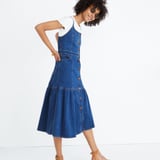
29 Cool Denim Pieces Your Summer Wardrobe Is Waiting For

We know, jeans aren't exactly what you think of when you're dressing for hot and sticky summers, but this doesn't mean they don't have a place in your hot-weather wardrobe. There are plenty of cool and comfy choices perfect for hot days. Uou can rock everything from cool denim shorts, cute skirts, and even flattering dresses in this classic material.

Not only are these pieces stylish, but they're also versatile, you can mix and match them with everything from tees and tanks to sandals and sneakers. They all have one thing in common though: they're classic wardrobe staples you'll own for years to come. Keep reading to shop our 29 hot picks, you won't regret it.

"Tu Lucha Es Mi Lucha": 5 Ways White Latinx Can Show Up For the Black Community

"Tu lucha es mi lucha," read several protest signs sprinkled throughout the ongoing nationwide protests confronting systemic racism and demanding justice for victims of police brutality, including George Floyd, Breonna Taylor, Tony McDade, David McAtee, and so many others. "Your struggle is my struggle."

Latinx pushes for equality in the United States have long overlapped with Black-led movements. It's important to point out that many of the socio-political strides that have benefited the Latinx community were hard-earned by Black leaders and activists. (The Civil Rights Act of 1964 and Immigration Act of 1965 are just a few examples.) At this critical crossroads, white Latinx have a duty to show support and stand in solidarity with Black Lives Matter.

Now is not the time for empty allyship. That has only gotten us so far in the past. Now is not the time to center white Latinx voices. There are Afro-Latinx who need to be heard. Now is not the time to compare struggles. Both communities undoubtedly face oppression, but anti-Black discrimination and oppression have been a shameful staple of this nation since its establishment. The fight to dismantle white supremacy has been fought for centuries. It is ongoing, and it demands our participation. Ahead, read about some of the ways white Latinx can show up for the Black community.

Protest

For starters, consider being physically present and joining one of the many demonstrations happening across the nation on a daily basis. As many have pointed out, these protests have been invaluable, leading to real change like the reduction of police funds, a move toward dismantling the Minneapolis Police Department, and the removal of various Confederate statues. For those unable to join a protest out of concern for their immigration status or the coronavirus pandemic, there are various ways to show support from home.

Confront Anti-Blackness

Colorism and anti-Blackness are unfortunately prevalent within the Latinx community. Colonialism and the sustainment of Eurocentric beauty standards are in part to blame, but it's on each individual to reject and call out anti-Blackness in its many manifestations, from overt discrimination to microaggressions and seemingly "harmless" jokes or slang.

So, next time you hear someone drop a phrase like "mejorar la raza" - even in jest - be prepared to have a conversation. Literary resources like Black in Latin America and The Afro-Latin@ Reader are helpful recommendations for those who might need more information or historical context. Self-reflection is also key, and it's important to take some time to do an honest assessment of your own past remarks, judgments, or instances of cultural appropriation so that the same missteps are not repeated.

Engage With Friends and Family Members

Though a similar action item, it's one worth explicitly mentioning: engage with your family and friends about these current events. Talk to your abuela who might not understand the Black Lives Matter movement. Talk to your primos who might be apathetic or politically disengaged. Talk to your friends about potentially attending a protest or circulating a petition.

Whereas social media offers a space to disseminate resources with like-minded followers, it's also important to have those difficult one-on-one conversations with loved ones who may share different beliefs. If there's a language barrier or you're missing some of the relevant Spanish terminology, refer to this helpful vocabulary guide put together by Angie Esparza.

Educate Yourself

As you thoughtfully and productively engage with others - perhaps with more regularity - enlightening one's own self and establishing that foundational knowledge is also essential. Various documentaries and books about systemic and interpersonal racism offer a starting point, but to learn more specifically about the shared histories between Black and Latinx communities in the United States, check out An African American and Latinx History of the United States, Neither Enemies Nor Friends, and The Young Lords.

Fill Your Feed With Intersectional Groups and Resource Hubs

First and foremost, turn to Black-led activist groups or your local Black Lives Matter chapter to remain up to date on nearby demonstrations, relevant civic meetings, and other action items. In addition, consider following and supporting intersectional activist groups, coalitions, and resources like AfroResistance, Gran Varones, Mijente, Latina Rebels, Ain't I Latina?, I Got Your Black, and Blactina Media, to name a few.

These Protein-Packed No-Bake Peanut Butter Cookies Taste as Impressive as They Look!

When you don't want to heat up your entire house by turning on the oven or you're too impatient to wait for cookies to bake, make these chocolate-dipped peanut butter no-bakes. Made with just six ingredients - rolled oats, peanut butter, dates, beans, dairy-free chocolate chips, and peanuts - these are easy and fast and look super impressive.

The consistency of these cookies is like soft and buttery cookie dough, yet these are completely vegan. The dates add natural sweetness without processed sugar, the oats and beans add filling fiber, and the peanut butter and beans add protein, making these cookies really delicious and satisfying.

But these no-bakes don't "taste healthy" at all! I love making a batch to keep in my fridge to enjoy any time of day when I want a little something sweet.

No-Bake Chocolate-Dipped Peanut Butter Protein Cookies

From Jenny Sugar, POPSUGAR Fitness

Ingredients

  1. 1 cup rolled oats
    1 cup salted creamy peanut butter (or other nut butter; add 1/4 teaspoon salt if using unsalted)
    1 cup pitted medjool dates (10 to 12)
    1 can white beans, drained and rinsed
    1/3 cup nondairy chocolate chips (I used Enjoy Life)
    1/4 cup chopped salted peanuts (optional)

Directions

  1. Line a cookie sheet with parchment paper.
  2. Add the rolled oats to a food processor, and grind into a powder, about 1-2 minutes.
  3. Add the peanut butter, dates, and beans, and process until a smooth dough forms.
  4. Using about 2 tablespoons of the dough, roll cookies into balls and flatten them onto the cookie sheet. Use a fork to make the little criss-cross design.
  5. Melt the chocolate chips in a microwave-safe bowl. Use a spoon to spread melted chocolate on half of each cookie, then sprinkle with a few chopped peanuts.
  6. Place the cookies in the fridge so the chocolate can set. Store uneaten cookies in the fridge in an airtight container.

Here's the nutritional info of one serving:

Nutrition

Calories per serving
175

Tyler Perry Has Offered to Pay For Rayshard Brooks's Funeral: "It's a Step Forward"

Tyler Perry has offered to pay for Rayshard Brooks's funeral expenses after the 27-year-old was fatally shot by an Atlanta police officer on June 12. During a press conference on Monday, attorney L. Chris Stewart announced that the producer would cover all of the funeral costs.

"We do want to acknowledge and thank Tyler Perry, who we spoke with and who will be taking care of the funeral for the family," the attorney said. "It's support like that and it's people who are actually in this community, that love the community, that want healing, and [want] families like this to never have to go through something like this. It's a step forward . . . we want to thank him for such a generous move."

Rayshard was killed by police at a Wendy's drive-through after officials said he resisted arrest and stole an officer's taser. The manner of death was listed as a homicide. The police officer who shot Rayshard has since been fired, and the second officer who was involved has been placed on administrative duty. His death has sparked another wave of nationwide protests calling for an end to police brutality and racism. Rayshard is survived by wife Tomika Miller and their four children, Dream, Memory, Blessing, and Mekai.

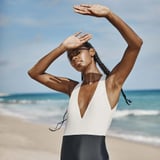
Meet Summersalt - the Instagram-Friendly Swimsuit Brand That'll Make Your Confidence Soar

Summer is here, and we're busy shopping for the perfect swimsuit. We want something that makes us feel confident and beautiful, and that doesn't always mean string bikinis and thongs. We love a sexy swimwear moment, but sometimes we just want a suit that fits well and doesn't feel like we're wearing dental floss. That's why we love Summersalt. The swimwear line is flattering, fun, and affordable. As in, "all our top picks are under $100" affordable.

These 12 bathing suits are exactly what you've been looking for this summer. They come in cute patterns and colors, the styles are unique but wearable, and they're size-inclusive, too. Basically, there's nothing not to love. Keep reading to shop our top styles.

Tyler Perry Has Offered to Pay For Rayshard Brooks's Funeral: "It's a Step Forward"

Tyler Perry has offered to pay for Rayshard Brooks's funeral expenses after the 27-year-old was fatally shot by an Atlanta police officer on June 12. During a press conference on Monday, attorney L. Chris Stewart announced that the producer would cover all of the funeral costs.

"We do want to acknowledge and thank Tyler Perry, who we spoke with and who will be taking care of the funeral for the family," the attorney said. "It's support like that and it's people who are actually in this community, that love the community, that want healing, and [want] families like this to never have to go through something like this. It's a step forward . . . we want to thank him for such a generous move."

Rayshard was killed by police at a Wendy's drive-through after officials said he resisted arrest and stole an officer's taser. The manner of death was listed as a homicide. The police officer who shot Rayshard has since been fired, and the second officer who was involved has been placed on administrative duty. His death has sparked another wave of nationwide protests calling for an end to police brutality and racism. Rayshard is survived by wife Tomika Miller and their four children, Dream, Memory, Blessing, and Mekai.

lundi 15 juin 2020

Insecure's Season 4 Gave Fans Another Collection of Bangers and Slow Jams

You can always count on a season of Insecure to bring three things: messiness, eye candy, and a mean soundtrack. Season four of the HBO comedy premiered on April 12, and viewers could spot the cracks that would eventually grow between our favorite characters from the first episode of the season. (That moment Issa definitively said she doesn't f*ck with Molly anymore? Yikes.) Luckily for us, the drama came with a side of bangers and slow jams that we'll have in our heads until season five comes along, so it's a win-win!

Once again, Issa Rae and Insecure's music supervisor, Kier Lehman, strike the perfect blend of well-known hits and undiscovered tracks for a flawless soundtrack. Check out the artists and songs featured on the show ahead!

Insecure's Season 4 Gave Fans Another Collection of Bangers and Slow Jams

You can always count on a season of Insecure to bring three things: messiness, eye candy, and a mean soundtrack. Season four of the HBO comedy premiered on April 12, and viewers could spot the cracks that would eventually grow between our favorite characters from the first episode of the season. (That moment Issa definitively said she doesn't f*ck with Molly anymore? Yikes.) Luckily for us, the drama came with a side of bangers and slow jams that we'll have in our heads until season five comes along, so it's a win-win!

Once again, Issa Rae and Insecure's music supervisor, Kier Lehman, strike the perfect blend of well-known hits and undiscovered tracks for a flawless soundtrack. Check out the artists and songs featured on the show ahead!

Megan Thee Stallion's Creation of the Savage Feminist Was a Much-Needed Cultural Reset

Image Source: Carmen Mandato/Getty Images

Black women are doing an incredible job leading feminism into a bright new future - a future where women can no longer be shamed or controlled by double standards and the suppression of female sexuality, where there is no space for either woman-hating, incel culture, or misogynistic rap culture, to enter the unapologetically savage feminist's orbit.

Rap and hip-hop music is a notoriously male-dominated industry that has often thrived on the objectification of women's bodies. Recently, Black female rappers like Megan Thee Stallion, Doja Cat, Lizzo, and Cardi B are turning this toxic trend on itself. Two of these women made US music history on May 11, 2020, as it was the first time ever that the top two spots on the Billboard Hot 100 were secured by female rappers - Doja Cat and Nicki Minaj's "Say So," and Megan Thee Stallion and Beyoncé's "Savage."

Image Source: Ethan Miller/Getty Images

The viral popularity of "Savage" is a significant win for intersectional feminism. As the lyrics read, "I'm a savage. Classy, boujie, ratchet. Sassy, moody, nasty (yeah), acting stupid, what's happening?" Megan's chorus for "Savage" responds to multiple mythologies of race, class, gender, and sexuality as they pertain to Black women and all women.

"Megan's chorus for 'Savage' responds to multiple mythologies of race, class, gender, and sexuality as they pertain to Black women and all women."

Megan's use of "nasty" is a reclaiming of that word, once used by Donald Trump to incite misogyny during the 2016 US presidential election. The use of "savage" is also a cultural reclaiming for Black women, whose authority has been historically undermined with the myth of the angry Black woman. The song responds to these cultural tropes and successfully dismantles them for female empowerment. The remainder of the lyrics in the chorus assert that although she is unapologetically "savage" (strong) and "nasty" (sexually liberated), she is also "classy" (sophisticated) and "moody" (sensitive). Megan explains the multidimensionality of the modern woman, but also the burden she carries of trying to be "everything."

Image Source: Emma McIntyre/Getty Images for Coachella

The new vanguard of sex-positive female rappers is refreshing to see, but it didn't pop up out of nowhere. Rappers like Megan, Cardi B, and even Beyoncé are products of the "queen bees" that paved the way decades prior - like Lil' Kim and Missy Elliot. I spoke to two experts in feminism, hip-hop, and pop culture - Dr. Tia Tyree, communications professor at Howard University with a specialism in hip-hop and female representations in media, and Megan Collins, cultural analyst at Civic Entertainment Group with clients including Apple TV+ and HBO Max - about how the "savage feminist" is actually changing the game.

"The ideas of talking about how wet things are, how big things are, how wanted things are, has already been laid out there," says Dr. Tyree. "But the stigma attached to having those conversations, and the idea of being sex-positive, is very much embraced now. So, while many people may have pointed or wagged their fingers at some earlier women rappers for having those kinds of sexual conversations, as culture has changed, as the narrative has changed, as the idea that we can embrace more than one hot female at a time in hip-hop has changed, we can see that talking about sex is not necessarily misogynistic, but it's very much a celebration of body and sexualism."

"What's different about hip-hop feminism in 2020 is that it occupies a uniquely vocal platform between Tarana Burke's MeToo movement and the Black Lives Matter movement."

What's different about hip-hop feminism in 2020 is that it occupies a uniquely vocal platform between Tarana Burke's MeToo movement and the Black Lives Matter movement. Both human rights collectives, which evolved from the women's liberation and civil rights movements of the 1970s, saw revivals in 2016. MeToo responded to sexual assault allegations against Harvey Weinstein, and BLM gained momentum after Colin Kaepernick took a knee against racism during the US national anthem - both occurring against a backdrop of Trump's sexist and racist 2016 election campaign. "Savage feminists" are experiencing a boost in relevance because of intersectionality - at the crux between MeToo and BLM. What's equally as significant is how these women are dominating that space by not only reclaiming their bodies but sharing that influence with other women while doing so.

Image Source: Rich Fury/Getty Images for Fashion Nova

When I was growing up, there was always that one token female rapper who claimed the "queen bee" throne and sustained "beefs" with other women to maintain her dominance. Dr. Tyree agrees that hip-hop notoriously asks the questions: "Who's the queen bee? Who has the throne? And much of that is rooted in desexualising the other woman. Because sex is a commodity in hip-hop, in order for me to be number one, I have to be lyrically superior and sexually superior."

What's changing is that "all of these female rappers are coming up, and they're not immediately pitted against each other," says Collins. She cites that the last real hip-hop beef was between Nicki Minaj and Cardi B, but since then, we're seeing more cooperation and collaboration between women. As Collins puts it, "there's space for all of us, and we're much better served by helping each other up, lifting each other up, and creating space in this male-dominated industry for everybody."

Image Source: Frederick M. Brown/Getty Images for BET

Dr. Tyree confirmed that "Nicki Minaj is always talking about that she's on top, she has the throne. And you'll see a little bit of that in Cardi B, but Cardi B is coming into this space now where it's OK to have a collaboration. It's OK to have a feature, because if you're hot, let's be hot together. I think that's a big part of Beyoncé coming on 'Savage.' That we can both be on the top of our game, and share this space, and be empowered, while talking through all those things that make us powerful, intelligent, wanted, sexual beings, but in control of our narrative. That history of fighting for that spot still exists. But there are moments where we see that we can share that same space."

Black female rappers are certainly leading feminist thought forward, but while it's something to be celebrated, we must continue to question how sexism is being challenged within hip-hop and how those narratives shape antiracism initiatives in wider society. Dr. Tyree pointed out that "in the rap game, you have to play to the strengths of what people want. [Megan Thee Stallion] is, at this moment, giving people what they want, which is a Black woman who is strong in her convictions, sexually happy. And that's what women are positioning themselves now to be. That's who women have probably always been but haven't had the opportunity to share those narratives. And so, she's coming at a right place, but she's not the first to do it."

5 Essential-Oil Balms and Roller Balls to Help Ease Headache Pain

When a headache arrives unexpectedly, whether it's due to a last-minute work deadline or your seasonal allergies acting up again, it helps to have some soothing reinforcements available at home. On top of storing an extra cold pack in the freezer, consider keeping one of these roller balms or balms on your desk or nightstand or in your makeup bag.

Made with calming and cooling essential oils, these five products can be applied to your temples, head, neck, or shoulders to help ease headache discomfort and reduce overall tension.

Megan Thee Stallion's Creation of the Savage Feminist Was a Much-Needed Cultural Reset

Image Source: Carmen Mandato/Getty Images

Black women are doing an incredible job leading feminism into a bright new future - a future where women can no longer be shamed or controlled by double standards and the suppression of female sexuality, where there is no space for either woman-hating, incel culture, or misogynistic rap culture, to enter the unapologetically savage feminist's orbit.

Rap and hip-hop music is a notoriously male-dominated industry that has often thrived on the objectification of women's bodies. Recently, Black female rappers like Megan Thee Stallion, Doja Cat, Lizzo, and Cardi B are turning this toxic trend on itself. Two of these women made US music history on May 11, 2020, as it was the first time ever that the top two spots on the Billboard Hot 100 were secured by female rappers - Doja Cat and Nicki Minaj's "Say So," and Megan Thee Stallion and Beyoncé's "Savage."

Image Source: Ethan Miller/Getty Images

The viral popularity of "Savage" is a significant win for intersectional feminism. As the lyrics read, "I'm a savage. Classy, boujie, ratchet. Sassy, moody, nasty (yeah), acting stupid, what's happening?" Megan's chorus for "Savage" responds to multiple mythologies of race, class, gender, and sexuality as they pertain to Black women and all women.

"Megan's chorus for 'Savage' responds to multiple mythologies of race, class, gender, and sexuality as they pertain to Black women and all women."

Megan's use of "nasty" is a reclaiming of that word, once used by Donald Trump to incite misogyny during the 2016 US presidential election. The use of "savage" is also a cultural reclaiming for Black women, whose authority has been historically undermined with the myth of the angry Black woman. The song responds to these cultural tropes and successfully dismantles them for female empowerment. The remainder of the lyrics in the chorus assert that although she is unapologetically "savage" (strong) and "nasty" (sexually liberated), she is also "classy" (sophisticated) and "moody" (sensitive). Megan explains the multidimensionality of the modern woman, but also the burden she carries of trying to be "everything."

Image Source: Emma McIntyre/Getty Images for Coachella

The new vanguard of sex-positive female rappers is refreshing to see, but it didn't pop up out of nowhere. Rappers like Megan, Cardi B, and even Beyoncé are products of the "queen bees" that paved the way decades prior - like Lil' Kim and Missy Elliot. I spoke to two experts in feminism, hip-hop, and pop culture - Dr. Tia Tyree, communications professor at Howard University with a specialism in hip-hop and female representations in media, and Megan Collins, cultural analyst at Civic Entertainment Group with clients including Apple TV+ and HBO Max - about how the "savage feminist" is actually changing the game.

"The ideas of talking about how wet things are, how big things are, how wanted things are, has already been laid out there," says Dr. Tyree. "But the stigma attached to having those conversations, and the idea of being sex-positive, is very much embraced now. So, while many people may have pointed or wagged their fingers at some earlier women rappers for having those kinds of sexual conversations, as culture has changed, as the narrative has changed, as the idea that we can embrace more than one hot female at a time in hip-hop has changed, we can see that talking about sex is not necessarily misogynistic, but it's very much a celebration of body and sexualism."

"What's different about hip-hop feminism in 2020 is that it occupies a uniquely vocal platform between Tarana Burke's MeToo movement and the Black Lives Matter movement."

What's different about hip-hop feminism in 2020 is that it occupies a uniquely vocal platform between Tarana Burke's MeToo movement and the Black Lives Matter movement. Both human rights collectives, which evolved from the women's liberation and civil rights movements of the 1970s, saw revivals in 2016. MeToo responded to sexual assault allegations against Harvey Weinstein, and BLM gained momentum after Colin Kaepernick took a knee against racism during the US national anthem - both occurring against a backdrop of Trump's sexist and racist 2016 election campaign. "Savage feminists" are experiencing a boost in relevance because of intersectionality - at the crux between MeToo and BLM. What's equally as significant is how these women are dominating that space by not only reclaiming their bodies but sharing that influence with other women while doing so.

Image Source: Rich Fury/Getty Images for Fashion Nova

When I was growing up, there was always that one token female rapper who claimed the "queen bee" throne and sustained "beefs" with other women to maintain her dominance. Dr. Tyree agrees that hip-hop notoriously asks the questions: "Who's the queen bee? Who has the throne? And much of that is rooted in desexualising the other woman. Because sex is a commodity in hip-hop, in order for me to be number one, I have to be lyrically superior and sexually superior."

What's changing is that "all of these female rappers are coming up, and they're not immediately pitted against each other," says Collins. She cites that the last real hip-hop beef was between Nicki Minaj and Cardi B, but since then, we're seeing more cooperation and collaboration between women. As Collins puts it, "there's space for all of us, and we're much better served by helping each other up, lifting each other up, and creating space in this male-dominated industry for everybody."

Image Source: Frederick M. Brown/Getty Images for BET

Dr. Tyree confirmed that "Nicki Minaj is always talking about that she's on top, she has the throne. And you'll see a little bit of that in Cardi B, but Cardi B is coming into this space now where it's OK to have a collaboration. It's OK to have a feature, because if you're hot, let's be hot together. I think that's a big part of Beyoncé coming on 'Savage.' That we can both be on the top of our game, and share this space, and be empowered, while talking through all those things that make us powerful, intelligent, wanted, sexual beings, but in control of our narrative. That history of fighting for that spot still exists. But there are moments where we see that we can share that same space."

Black female rappers are certainly leading feminist thought forward, but while it's something to be celebrated, we must continue to question how sexism is being challenged within hip-hop and how those narratives shape antiracism initiatives in wider society. Dr. Tyree pointed out that "in the rap game, you have to play to the strengths of what people want. [Megan Thee Stallion] is, at this moment, giving people what they want, which is a Black woman who is strong in her convictions, sexually happy. And that's what women are positioning themselves now to be. That's who women have probably always been but haven't had the opportunity to share those narratives. And so, she's coming at a right place, but she's not the first to do it."

Has Your Acne Only Gotten Worse During Lockdown? 55% of People Are Reporting "Yes"

At first, Megha Kamath, 18, didn't notice her acne was flaring back up again. "I was caught up in the whole quarantine thing and freaking out over the pandemic," she told POPSUGAR. That much is fair. When something like the novel coronavirus effectively thwarts the lives of millions of people around the world, priorities shift, and taking care of your skin nosedives to the bottom of the list.

But a few weeks in, "I noticed it getting worse," Kamath said. "My initial reaction was, 'Oh my god, what am I doing?' I started trying to figure out what went wrong. Now, my current feeling is frustration because my acne hasn't gotten better. It was really bad two weeks ago, and so I started icing my face and using nicer products. I don't remember my skin ever being flawless or pimple-free, but before the lockdown, it was relatively clear. Now it's freaking out and breaking out, and it's just not fun."

In truth, and as anyone could attest, acne is never "fun" - and yet, the added stress, lack of sleep, and overall lifestyle change that has come with mandated stay-home orders for the past two-plus months have only heightened the experience. What's worse: Kamath is not even close to alone in the struggle.

According to a survey by market research firm Dynata for DeVries Global of 1,000 women across the US, more than 80 percent noticed an increase in one skin problem or another since COVID-19 hit. One in four say they're experiencing more acne, but that percentage bumps to 55 for those surveyed under 25. That's on top of the already 50 million people impacted by the skin condition year-round.

The statistics are somehow surprising and yet not at all - as are the obvious and not-so-obvious aggressors below - but one thing is for sure: no matter why, or when, or for how long this persists, we're all in it together.

The Biggest Acne Aggressors Right Now

To put it bluntly: the novel coronavirus has f*cked with everybody's lives, throwing off daily routines and schedules like a kid thrashing through the shelves of a candy store. That shift in your day-to-day can impact your skin in a number of ways, as you change everything from what you're eating to how much you're moving (and every little thing in between).

It could be that your skin is irritated by the face mask you're required to wear outside and during all appointments, or that you're taking too many damn Zoom meetings. Yep, dermatologist Joshua Zeichner, MD, says sitting in front of a computer all day means you might be leaning on your hands or touching your face more often. "This can lead to skin irritation and inflammation, which promote acne breakouts."

As can eating too many sugary or starchy foods that increase blood sugar levels or adopting a new skin-care routine with heavy or occlusive ingredients, he said. Even the type of product could be too risky to use right now: several dermatologists have advised patients to stop taking the oral prescription spironolactone - often prescribed for hormonal acne - amid the pandemic, as data show it might increase the risk for infection.

Kamath, for example, suspects her recent breakouts could be the result of a multitude of things like boredom, a poor diet, and halted access to her dermatologist.

Then there's the stress. (Oh, how could we forget the stress?) The internal reaction it has on your body can trigger the stress hormone cortisol, which then revs up oil production on the skin and - you guessed it - leads to flare-ups. Still, even more so than the straightforward acne triggers people are dealing with right now are the equally common, but rarely talked about, ways your mental health plays a role.

The Psychological Impact of Acne During a Pandemic

Acne can be a sensitive subject for anyone in any given period, but the current physical-distancing measures can further catapult the feelings of isolation or stress.

"A person with acne might see an increased flare-up of acne with increased stress. It all depends on how someone perceives their acne and what belief system they carry about how other people perceive them."

"Dealing with COVID-19, many people will experience anxiety and depression," said Mina Guirguis, Psy.D., clinical psychologist and psychodermatologist. (It's more than just likely; in fact, a survey just released by the CDC and the Census Bureau of 260,000 people found that one in three Americans have reported feeling a strain on their mental health since April.) What that looks like, of course, depends on the individual.

"We know that stress impacts our body in many ways, often in a negative manner. A person with acne might see an increased flare-up of acne with increased stress. It all depends on how someone perceives their acne and what belief system they carry about how other people perceive them. If a person is struggling with having acne and develops anxiety or depression to having acne, this person's symptoms might decrease in intensity as they don't have to go out and meet other people, especially if they believe that other people are not accepting of their look or judge them in some fashion. Let's consider another person who is comfortable with having acne, being at home or not or using Zoom or not will not make a difference to them."

Has Your Acne Only Gotten Worse During Lockdown? 55% of People Are Reporting "Yes"

At first, Megha Kamath, 18, didn't notice her acne was flaring back up again. "I was caught up in the whole quarantine thing and freaking out over the pandemic," she told POPSUGAR. That much is fair. When something like the novel coronavirus effectively thwarts the lives of millions of people around the world, priorities shift, and taking care of your skin nosedives to the bottom of the list.

But a few weeks in, "I noticed it getting worse," Kamath said. "My initial reaction was, 'Oh my god, what am I doing?' I started trying to figure out what went wrong. Now, my current feeling is frustration because my acne hasn't gotten better. It was really bad two weeks ago, and so I started icing my face and using nicer products. I don't remember my skin ever being flawless or pimple-free, but before the lockdown, it was relatively clear. Now it's freaking out and breaking out, and it's just not fun."

In truth, and as anyone could attest, acne is never "fun" - and yet, the added stress, lack of sleep, and overall lifestyle change that has come with mandated stay-home orders for the past two-plus months have only heightened the experience. What's worse: Kamath is not even close to alone in the struggle.

According to a survey by market research firm Dynata for DeVries Global of 1,000 women across the US, more than 80 percent noticed an increase in one skin problem or another since COVID-19 hit. One in four say they're experiencing more acne, but that percentage bumps to 55 for those surveyed under 25. That's on top of the already 50 million people impacted by the skin condition year-round.

The statistics are somehow surprising and yet not at all - as are the obvious and not-so-obvious aggressors below - but one thing is for sure: no matter why, or when, or for how long this persists, we're all in it together.

The Biggest Acne Aggressors Right Now

To put it bluntly: the novel coronavirus has f*cked with everybody's lives, throwing off daily routines and schedules like a kid thrashing through the shelves of a candy store. That shift in your day-to-day can impact your skin in a number of ways, as you change everything from what you're eating to how much you're moving (and every little thing in between).

It could be that your skin is irritated by the face mask you're required to wear outside and during all appointments, or that you're taking too many damn Zoom meetings. Yep, dermatologist Joshua Zeichner, MD, says sitting in front of a computer all day means you might be leaning on your hands or touching your face more often. "This can lead to skin irritation and inflammation, which promote acne breakouts."

As can eating too many sugary or starchy foods that increase blood sugar levels or adopting a new skin-care routine with heavy or occlusive ingredients, he said. Even the type of product could be too risky to use right now: several dermatologists have advised patients to stop taking the oral prescription spironolactone - often prescribed for hormonal acne - amid the pandemic, as data show it might increase the risk for infection.

Kamath, for example, suspects her recent breakouts could be the result of a multitude of things like boredom, a poor diet, and halted access to her dermatologist.

Then there's the stress. (Oh, how could we forget the stress?) The internal reaction it has on your body can trigger the stress hormone cortisol, which then revs up oil production on the skin and - you guessed it - leads to flare-ups. Still, even more so than the straightforward acne triggers people are dealing with right now are the equally common, but rarely talked about, ways your mental health plays a role.

The Psychological Impact of Acne During a Pandemic

Acne can be a sensitive subject for anyone in any given period, but the current physical-distancing measures can further catapult the feelings of isolation or stress.

"A person with acne might see an increased flare-up of acne with increased stress. It all depends on how someone perceives their acne and what belief system they carry about how other people perceive them."

"Dealing with COVID-19, many people will experience anxiety and depression," said Mina Guirguis, Psy.D., clinical psychologist and psychodermatologist. (It's more than just likely; in fact, a survey just released by the CDC and the Census Bureau of 260,000 people found that one in three Americans have reported feeling a strain on their mental health since April.) What that looks like, of course, depends on the individual.

"We know that stress impacts our body in many ways, often in a negative manner. A person with acne might see an increased flare-up of acne with increased stress. It all depends on how someone perceives their acne and what belief system they carry about how other people perceive them. If a person is struggling with having acne and develops anxiety or depression to having acne, this person's symptoms might decrease in intensity as they don't have to go out and meet other people, especially if they believe that other people are not accepting of their look or judge them in some fashion. Let's consider another person who is comfortable with having acne, being at home or not or using Zoom or not will not make a difference to them."

3 Things in Your Home That Could Be Causing Allergy Symptoms

Staying indoors to temper your seasonal-allergy symptoms is a realistic way to feel better throughout spring and early summer - just as long as the inside of your home is allergen-free, too.

If you're feeling unwavering congestion, sinus pressure, and headaches while inside, Dr. Purvi Parikh, MD, an allergist with Allergy & Asthma Network, wants you to know of three common triggers that could be present in your home.

And while her advice could have you one step closer to feeling better, she urges you to see a board-certified allergist, too, in order to help further decrease the severity of your symptoms.

Dust Mites

Dust mites - although too small to see without a microscope - are part of the tick and spider family and thrive in warm, humid environments, Mayo Clinic reports.

Despite their size, they could be the reason you're experiencing allergy-like symptoms such as hay fever, headaches, sneezing, runny nose, wheezing, and difficulty breathing.

That's why Dr. Parikh suggests frequently vacuuming, removing carpets and rugs, and covering your mattress and box spring with dust-mite covers, as these are where dust mites are most commonly found in homes.

Mold

"If you have water damage or leaks in your home and are allergic to mold, this could be a potential trigger," Dr. Parikh admits.

She recommends installing a HEPA (high-efficiency particulate air) filter in your home and removing any mold damage that could have accumulated over time.

Having a dehumidifier, changing the filters in your furnace, removing carpets from bathrooms and basements, recycling old books and newspapers, and keeping organic plant containers clean and dry can help prevent coughing, itchy eyes, and enhanced asthma symptoms, too.

Animal Dander

As much as pet lovers hate to admit it, cats and dogs are known to trigger allergies, as well.

An animal's urine, saliva, and sweat (that includes rodents and rabbits, too) can all spark allergy symptoms, but dander (also known as skin cells shed by animals) is particularly a problem because it remains airborne for long periods and collects in upholstered furniture and clothing. This can all lead to sneezing, a runny nose, itchy eyes, nasal congestion, postnasal drip, facial pressure, coughing, swollen eyes, and frequent awakening.

Keeping your furry friends out of the bedroom as much as possible and using an air purifier could help you lessen allergy symptoms, Dr. Parikh says.

Click here for more health and wellness stories, tips, and news.