


Healthy lifestyle
A healthy lifestyle is one which helps to keep and improve people's health and well-being.Many governments and non-governmental organizations have made big efforts in healthy lifestyle and health promotion.

Mental Health
Mental health can be considered a very important factor of physical health for the effects it produces on bodily functions. This type of health concerns emotional and cognitive well-being or an absence of mental disorder.

Public health
Public health can be defined in a variety of ways. It can be presented as "the study of the physical, psychosocial and socio-cultural determinants of population health and actions to improve the health of the population.

Reproductive Health
For the UN, reproductive health is a right, like other human rights. This recent concept evokes the good transmission of the genetic heritage from one generation to the next.

Health
Health is a state of complete physical, mental and social well-being, and not merely the absence of disease or infirmity.
dimanche 5 août 2018
5 Ways You Can Combat Abortion Stigma

On the weekend of July 28, activists from across the country convened in Detroit for Power of Pink, the largest volunteer training ever for the Planned Parenthood Action Fund and Planned Parenthood Advocates of Michigan. Sophie Hagberg, a health center advocacy program manager from Planned Parenthood of the Rocky Mountains, led one of the more than 50 workshops over the weekend: a training on how we can combat abortion stigma.
If there is a proverbial elephant in the room when it comes to reproductive rights, the top contender might be abortion stigma. So, what exactly is abortion stigma? It's the negative perception of an individual who has an abortion or works in abortion care. Patients and providers of abortion care are often the most deeply affected by stigma, but it can also extend to nonclinical staff members, volunteers, friends, and relatives of those who work in abortion care.
Abortion stigma can be incredibly harmful and can prevent us from having real conversations about an everyday part of reproductive health care that one in four women in the US will experience before the age of 45. Ending the stigma around abortion is long overdue, so let's talk about what we can all do to change the conversation.
Here are some ways we can start busting abortion stigma:
1. Say the Word
Let's be clear: abortion is not a bad word, but by treating it like one, we reinforce the stigma surrounding it. One very simple way to start destigmatizing abortion in your life is super simple: say the word abortion when it comes up. It's all too common to hear people tap-dance around abortion and opt for euphemisms instead - saying things like "right to choose," "the procedure," "taking care of it." So, if you're talking about abortion, just say the word. It will be OK, we promise.
2. Get the Facts
There are a ton of urban legends about abortion that make their way around the internet, family circles, and social circles despite overwhelming evidence to the contrary. Let's debunk a couple of them right now.
Fact: Abortion is very safe.
The vast majority of evidence shows that first-trimester abortion (which is when 89 percent of abortions occur) is safe over the long-term and carries little or no risk of infertility, cancer, or psychological illness. In fact, abortion is one of the safest medical procedures performed in the United States. Data, including from the CDC, shows that abortion has over a 99 percent safety record. Studies show that major complications occur less than one percent of the time.
One reason people may not know abortion is safe is because of pop culture. A 2014 study from University of California, San Francisco found that nearly 38 percent of characters from 80 different abortion-related TV and film plotlines experienced complications, interventions, and/or negative health consequences from an abortion, and 22.5 percent of characters faced a long-term adverse health consequence such as mental illness, infertility, or death.
This simply doesn't represent reality.
According to a 2014 study from the University of California, the rate of major health complications from first-trimester abortion was 0.23 percent. Statistically, this makes having an abortion safer than getting your wisdom teeth removed.
Fact: Abortion is common.
Abortion is common. In fact, one in four women will have an abortion in her lifetime. There are about a million abortions performed in the US each year, 89 percent of which take place in the first 12 weeks of pregnancy, making abortion a far more mainstream part of reproductive health care than we might be led to believe.
Fact: There is no one person who has an abortion.
The vast majority of people having an abortion are in their 20s - just four percent of abortion patients in 2014 were under the age of 18. Fifty-nine percent of abortion patients are already parents. In a study of women's reasons for seeking abortion, researchers reported: "Women in the sample had abortions because of the material responsibilities of motherhood, such as the care for their existing children, as well as the more abstract expectations of parenting, such as the desire to provide children with a good home. The women believed that children were entitled to a stable and loving family, financial security, and a high level of care and attention."
3. Respect People's Decisions
Some may try to draw a line between "good" abortions and "bad" abortions - more specifically, abortion that happens for more socially acceptable reasons versus ones that may be deemed "unacceptable."
Sometimes people try to justify the legality and availability of abortion later in pregnancy by talking about ending a pregnancy for medical reasons, like when the pregnancy is threatening the life of the mother or there are fetal anomalies. These stories are certainly compelling, and while they do represent some experiences, the truth is that people decide to have an abortion for many different reasons, all of which should be respected and valued. Abortion later in pregnancy is also very safe.
Fortunately, there is a very easy way around this issue - educate yourself about the real facts around abortion through resources like Guttmacher Institute, which tracks national trends in reproductive health care. The decision to have an abortion is highly personal, shaped by an individual's unique circumstances, and like every other healthcare decision, should be made for one's self.
4. Stop the Cycle
At its heart, stigma is a cycle.
Because of the massive amount of misinformation and highly charged politicizing of abortion care, people who have an abortion may feel like they have to keep their experience private. This misinformation perpetuates false narratives about abortion, which in turn leads to more stigma. We can stop the cycle by having conversations about abortion and listening to and supporting people who decide to have an abortion.
5. Educate Yourself
Moving past the myths, TV plotlines, and rumors is key. You can get the real facts about reproductive health care from Guttmacher Institute, the leading research organization committed to advancing reproductive health and rights in the United States. You can also get facts about abortion from Planned Parenthood, the nation's leading provider of reproductive health care, including abortion care and sex education. There are some great storytelling projects out there like, the 1 in 3 Campaign or #ShoutYourAbortion - resources for real abortion stories from a variety of patient storytellers.
If you've had an abortion and want to talk to someone about it, Exhale provides unbiased phone-based support from trained volunteers. Or if you have a story to tell, you can share your story with Planned Parenthood here.
Planned Parenthood is proud to provide expert, high-quality health care to our patients, including safe and legal abortion, in a safe and compassionate environment. We ensure patients receive accurate information about all of their options so they can make their own, fully informed decisions about their health, their family, and their future.

How to Have the Best Day Ever at Disney World - Alone!

When you think of a Disney World vacation, you probably think about going as a family, bringing your kids or best friends, or making it a romantic trip with your significant other. All of that is super fun, but there's a whole different side to Walt Disney World when you head to the parks alone as an adult. From bar hopping to skipping the long lines with the single rider line, there's so much to do and explore as a party of one. Click through to see 20 magical things to do alone at Walt Disney World.
8 Secrets From Cruise Ship Employees

A lot goes on behind closed cabin doors on cruise ships. Are your accommodations actually clean? Do crew members even care if you're having a good time? And just how much sex is happening on board the boat? Several cruise ship employees have taken to Reddit over time to spill the beans on what life is really like when sailing the open seas, and they have some great tips for cruise-goers to keep in mind the next time they travel. Read on for details you never knew.
1. There are some major benefits (and downsides) to working on a cruise ship.
One cruise ship employee said that there were a lot of positive aspects to working on the ship. "Best parts: cheap drinks, great parties, decent pay, easy way to save, wake up in a new city/country almost everyday, great way to network, become a more confident person, etc." Employees get to travel the world! Still, not everything is great. There are understandably some downsides to living and working on a cruise ship. "Worst: guests are always right . . . ALWAYS, you have a nametag on in public areas even when you are 'off duty,' always tired from lack of sleep, food taste dull after awhile . . . " Because employees are on contract for shorter periods of time, they often work longer hours (up to 16 hours per day).
2. If you get off the ship, follow the crew!
"If you ever go on a cruise, and you get off the ship and you want to know where to eat, follow the crew. The crew knows where the cheap and good food is, where the best dive bars are, and for the most part the safest places in the area. Don't waste money at Señor Frog's like everyone else."
3. Crew members get VERY friendly with one another.
Multiple crew members seem to agree on one thing: sex between employees is definitely happening on cruise ships. One former employee said he "hooked up with like seven different people myself and I am a shy, average looking dude." Another, when asked if a cruise ship is like a "sea-orgy" where everyone bangs each other, responded seriously with "Yes, it's actually just one big bang-fest." However, relations between employees and guests are strictly forbidden and grounds for immediate termination of the cruise ship employee.
4. Pay for crew members comes with extra add-ons - and it's not all that difficult to get hired.
"We get paid daily wages and some days we work more than others. Only thing I pay for is drinks. Everything else is on them." Depending on what cruise line a person is working with, members can also potentially get discounts on cruises for personal vacations. "You don't really have any bills on board (aside from tourist traps and drinking)," said a former cruise ship employee. "It was relatively easy to get in, but I'm very good at interviews. If you know what you're doing in the field of your choice, you'll have no problem . . . "
5. Crew members really want you to have the vacation of a lifetime.
"We work extremely hard to make sure you have a vacation of a lifetime . . . Those cruise surveys are actually taken VERY serious with our company. I'm happy to say that I've been mentioned ALMOST every cruise I've worked. I also work extremely hard to make sure the kids are having the time of their lives."
6. Cleanliness is VERY important!
If you're worried about sanitation on cruises, fear no more - or at least fear a little less. "Crew had to wash hands entering and leaving the crew mess. Chicken, seafood, bread, and vegetables all have separate freezers and storage sections (and elevators) which are cleaned daily. It's no joke! They have people clean the little grooves in the metal going into the elevators just to give you an example." According to another crew member, the kitchens on cruise ships are, in a word, "spotless."
7. If a crew member gets sick, they are quarantined.
"If they even think you have the flu, you're in quarantine for up to a week. In your cabin. Food is brought to you in a sealed container and you. Can. Not. Leave. Period. The ship is a natural hot zone. Over 4,000 people crammed together for sometimes a week at a time, bound to happen. If the ship gets over 5 percent ill, that's when things start to get nasty. Mandatory face shield etc. Also, whenever anyone gets on the ship, they get a hand full of Purell. Mandatory. And nobody can bring food on or off. They take cleanliness very seriously."
8. The one thing crew members want cruise-goers to know . . .
"The one thing that cruisers should know is that during a port day, the crew are just like passengers. They go out and have fun! On sea days however, they work their asses off to make you have the best time of your life. They really do want to make your vacation amazing, and work hard to do so."
I Tried Pink Solution, and It Is the Best Cleaning Product

My aunt recommended I use Pink Solution to get some paint stains out of our carpet, since we were getting ready to sell our house. After a quick trip to the Costco roadshow, my mom and I discovered that it's also amazing for getting grease stains out and cleaning burnt pots and pans, and it can even be used for laundry. Pink Solution is also budget friendly and goes a long way. Starting from $13 for a 500ml bucket, it really is an incredible deal. We bought the combo pack, which included the stain removal bar as well. Definitely worth it.
Made from coconut oil, seaweed, and baking soda, it's all natural. You don't even have to worry about wearing gloves, as it is safe and gentle on hands. Not to mention, it never expires - so none should go to waste!
We had some bad grease that got cooked onto the kitchen cabinet doors. We tried Mr. Clean's Magic Eraser, natural homemade cleaners, and even full-strength kitchen cleaners. Nothing worked. They only moved the grease around, changing the color from black to gray. With Pink Solution (applied without dilution), the grease wiped off super easily! The beauty is that one spray bottle works everywhere. All you need to do is combine the Pink Solution with water and shake it up. You can even choose whether to make a heavy or light mix.
When our contractor was replacing our kitchen hood fan, he tried it to clean up the cabinets next to the exhaust pipe vent. For the hundreds of hood fans that he's replaced over the years, he was never able to get the dirt off just like that before. He was truly impressed.
We rubbed the solution directly on the carpet using our hands and a sponge to get paint stains out of our carpet. It got the lighter stains out when nothing else could, and for the very heavy dark blue stains, it was able to significantly lighten up the color. We also used the solution to clean marks off doors, baseboards, window frames, and walls, as well as to clean the shower. Truly the best cleaning product we've ever discovered.
Pink Solution is based in Vancouver, Canada, and currently doesn't ship outside Canada. If you live in the US, you can buy it from Care 4 Earth Products.
Target's Halloween Products Are So Cheap, It's Batty! These Are All $10 and Under

When we heard that Target released its Halloween collection, we immediately starting thinking about all the ways we can dress up our space with festive and fun flair. The store is always our go-to when it comes to unique, affordable seasonal decor. This year, they did not disappoint us. The collection includes spiders, bats, cheeky signs, snazzy pumpkins, and more. Most of these goodies are on preorder, so you won't get them until Aug. 21, but you should still snag them now so they don't sell out! Feast your eyes on our favorite picks.
Get Sexy and Sweaty With The Fitness Marshall's Latest Dance Video to "Bed"

Nicki Minaj and Ariana Grande brought the heat in their latest collaboration, "Bed" (watch their sultry video here), and now you can unleash your sexy side to a dance cardio workout set to the song. The Fitness Marshall shows us how to work in his newest routine, which features squats, body rolls, and a whole of fierce.
"This sexy cooldown will get you HOT and bothered," TFM told POPSUGAR. "This dance is perfect for beginners and veterans alike who just want to have a good time and feel sexy in the their brand new Egyptian cotton sheets (watch the video, you'll understand)."
See his moves above!
Allison Made This 1 Tweak to Her Diet and It Completely Transformed Her Butt

Allison Murphy always had a hard time gaining weight and maintaining it, regardless of what she ate. "As I got older, I began to despise how long and lanky I was," Allison told POPSUGAR. She realized that working out (something she already loved to do) would give her body more of a shape by adding muscle mass - and that's exactly what she did. Continue reading to learn exactly how Allison transformed her butt.
How Her Diet Changed
Instead of counting calories and obsessing over her diet, Allison said she focused on eating clean and listening to her body's hunger cues. "My meals often consist of all vegetables (there's not one I don't like), rice or quinoa, beans, lentils, and chicken or fish," Allison said. In order to maintain her weight and physique, Allison had to increase the amount of food she was eating, specifically her protein intake, drinking plant-based protein shakes with peanut butter.
The Workout She Did For a Bigger Butt
Allison said that she was very active growing up, participating in activities like dance, horseback riding, and running. "I never really knew much about working out as far as weight training was concerned," Allison explained. Once she started working with her personal trainer, Ryan Read, her knowledge about weightlifting expanded. "When I started, I could only lift or squat the bar by itself, but you've got to start somewhere!" Although her strength was minimal, she began to lift weights three to fives times a week, eventually impressing herself with the progress she had made.
The Workout She Stopped Doing
Allison cut back on the amount of cardio she was doing because it caused her to lose too much weight and muscle mass. Instead, she began to do 15 to 20 minutes of cardio on the StairMaster or walks around her neighborhood a few times a week. She credits Ryan with showing her "the dos and don'ts, as well as certain routines to alter my body in the ways I wanted." As far as her results, Allison said, "The results are addicting; lifting heavier and feeling stronger is one of the most rewarding feelings around."
Ever Wonder What Lasik Eye Surgery Is Like? Here's My Firsthand Experience

Image Source: Unsplash / Luca Iaconelli
Sick of the daily struggle of not being able to see? Dry contacts, tired eyes, smudged lenses - that's just the beginning. Believe me, I hear you. After a few years of contemplating the big change and a stabilized prescription (hallelujah), I set the date to get Lasik eye surgery. Here's what it's really like.
Before the Surgery
You'll need to have a few appointments before the surgery, so plan on taking time off work or your daily responsibilities. These appointments include:
- Preliminary consult to see if you're a Lasik candidate. Little fact: this has to do with the thickness of your cornea.
- Full workup and dilation about a week before your surgery. This takes an hour or two.
- Pre-op appointment to remeasure your eyes. You'll need to stop all contact use two weeks before surgery. The tests will show any relieved warping from contact use.
During the Surgery
As far as surgeries go, Lasik is quick and minimally invasive. This is how my day went.
- 1:30 p.m.: I walked into the eye center and immediately paid for the surgery. As far as payment, it is roughly $2,500 per eye. Bonus: many eye surgeons take HSA money or Care Credit, so do your research on insurance availability.
- 1:45 p.m.: I was taken to the pre-op room. Here my eyes were cleaned with a medical grade antiseptic and I was given a Xanax (yes, you'll need this) to relax during surgery. I put a hair cap on and it was time to get this party started.
- 2:00 p.m.: I got into the operation room (mine was a bit chilly) and was seated in a reclined chair. My doctor started with my right eye first. They will put a whole slew of numbing drops in your eyes and then a suction is put on to keep the eye in place.
During the surgery you have to try and relax the eye while continuously staring at a red blinking target. Honestly, it is a little freaky and nerve-wracking (hence the Xanax). You can hear and smell the laser at work, but it is super quick. At one point your vision will completely black out.
Second eye, same deal. Each takes about two minutes. Once they are both done, your doctor will take a look at your eyes under a microscope to ensure there isn't any debris. At 3:00 p.m., we were done. That was it. I literally shook hands and walked out like I got a pap smear. It was wild. You'll need someone to be present during the surgery and to drive you home.
After the Surgery
Nap time. It's imperative that you go home and close your eyes for the rest of the night. You can open your eyes to do what you need to do, but close them as much as possible. You'll also have to wear these ridiculous goggles. They kind of remind me of what overenthusiastic indoor racquetball players wear.
In terms of medication, I was prescribed four painkillers but only used two. Your eyes will sting and involuntary tear for a few hours after surgery and then stop. Hopefully, you'll be knocked out for this part. You'll have two eye drops (antibiotic and steroid) to use consistently over the next week. Make sure you shake them so they don't burn your eye! Yes, I missed this step for the first two days.
Day 1 Post-Op
You'll have a quick post-op appointment in the morning to make sure everything's OK. Yes, you can see. It's crazy. You'll be tired and have some dryness and foreign body sensation, but you can see. Some people are light sensitive; I was fine.
What I Wish I Knew Before the Surgery
Your eyes will get pretty red for a couple of weeks. Eyes are super sensitive (obviously) and the suction they place on the eye can cause some bruising. Bruising in the eyes looks like blood, so I had a bit of a demon eyes situation. I couldn't wear eye makeup for a week. This makes sense, but when I read it on the paper, my first thought was panic. I don't consider myself particularly vain, but these blond-tipped lashes aren't exactly drool-worthy.
You have to sleep in goggles for a week. This is kind of difficult unless you're a pro at sleeping on your back. Your vision will go in and out a bit during the first week. Don't freak out - this is normal. Make sure you are using plenty of preservative-free natural tears. Most importantly, no rubbing your eyes for three months.
Image Source: Emma Howie
None of these things would have stopped me from getting the surgery, but I may have been more cognizant of when I got it. I would recommend doing it before a weekend when you can sleep your life away and not have any social engagements or important meetings for a full week. At almost one week on the dot, I felt like a million bucks.
It's official; my life is changed. To get started on your own personal journey, reach out to your optometrist to see who they recommend - you won't regret it.
Ana Lost 35 Pounds in 4 Months Eating This 1 Meal Every Single Day

Through college weight gain and three pregnancies, Ana-Maria Klizs told POPSUGAR, "My body has been through the ringer. I've been up and down, but I can honestly say that this is the first time in a long time, maybe ever, where I feel completely balanced, and this is the first time I've ever been strong." Keep reading to learn how she lost 35 pounds.
7 Foods I Ate as Much as Possible to Get Rid of My Belly Fat

When it comes to losing weight and changing your body, what you eat has the biggest impact. When I was trying to lose weight last year, I was exercising regularly (mostly strength training and running), but I spent more time cleaning up my diet. After a few months of hard work, I dropped a dress size and shrunk my midsection. These are the seven foods I ate regularly in order to get rid of my belly fat. Spoiler alert: I didn't have to give up carbs.
Beginner Treadmill Plan: Here's How to Build Up to a 5K in 8 Weeks

If you're one of those people who can't run a single mile without huffing and puffing, you're not alone. Even the strongest runners had to start somewhere! Sure, some people are just born with natural athleticism, but most have to build up their endurance from the ground up. Good news for you: we teamed up with an expert to create the perfect beginner treadmill plan that will help you work up to a 5K (or just over three miles) in eight weeks. Totally doable!
Ahead is a full breakdown by Michael Olzinski, MSc, Equinox run coach and Lululemon run coach, that includes three training sessions per week.
This Doctor Explains Why Vegetarians Should Do the Keto Diet
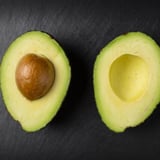
If you follow any keto-lovers on Instagram, then you're probably bombarded with mouthwatering photos of bunless burgers, chicken wings, and bacon-wrapped everything. And while meat does play a role in the keto diet, it doesn't have to be the diet's foundation. In fact, it's totally possible to do the keto diet without eating meat.
The keto diet, which is high fat, moderate protein, and super low carb, has helped countless people lose weight and totally transform their lives. Although it's a little more difficult, it's totally possible for vegetarians and vegans to go keto. Especially for vegetarian who still consume eggs and dairy (lacto-ovo vegetarians) - full-fat dairy is a staple of the keto diet.
But not only is the keto diet doable for vegetarians, it's actually advised for those who are diabetic or have metabolic syndrome, which is a cluster of conditions that include high blood pressure, high blood sugar, excess abdominal fat, and increased cholesterol levels.
"A well-formulated ketogenic diet has been demonstrated to be very effective in reversing type 2 diabetes and metabolic syndrome," Steve Phinney, MD, PhD, chief medical officer at Virta Health, told POPSUGAR. "These conditions are increasingly common, even in vegetarians."
Dr. Phinney and his colleagues treat type 2 diabetes patients with the keto diet at the Virta Clinic. Patients who followed a keto diet under medical supervision at the Virta Clinic saw a reduction in blood sugar levels, heart disease risk factors, and fatty liver and less dependency on medications. They also had lower markers for inflammation.
Since vegetarians can also get heart disease, fatty liver, and diabetes and have inflammation, the keto diet could be helpful to lose weight and get their chronic conditions, including type 2 diabetes, under control. And even though many people assume the keto diet is all meat and cheese, it's actually incredibly veggie-heavy, which works out well for vegetarians.
"We typically instruct our patients to have four to five servings of nonstarchy vegetables per day as part of a well-formulated ketogenic diet," Dr. Phinney explained. "While this seems like a lot to some of our omnivore patients, it's just a normal day for a vegetarian."
Of course, be sure to speak to your doctor and other healthcare providers before making any major dietary changes, including going on the keto diet.
Vegans and Vegetarians, Listen Up: Here's How to Do a Plant-Based Keto Diet

Going keto is more than just a diet trend; it's a lifestyle transformation that has helped people lose weight, gain more energy, lower blood sugar levels, and fight inflammation. The keto diet is a high-fat, moderate-protein, super low-carb diet that puts your body into a state of ketosis wherein your body burns fat instead of carbs for energy. Although each person's specific macronutrient breakdown varies, it's generally about 80 percent fat, 15 percent protein, and five percent carbs.
But while countless people have found success on the keto diet, it can be quite limiting for people who are vegetarian or vegan. Since the diet is so low-carb - less than 50 grams a day - many vegan staples, such as quinoa, brown rice, and sprouted grain bread, are out. Although it's difficult, it is possible for people who eschew animal products to successfully do the keto diet. Our friends at Virta Health, a weight-loss clinic that helps treat type 2 diabetes patients with a ketogenic diet, outlined some key pointers for vegans and vegetarians who are interested in trying the keto diet.
As always, be sure to consult with your doctor or registered dietitian before embarking on any major dietary changes. The keto diet, especially a plant-based keto diet, should be done under medical supervision.
Related: 12 Low-Carb Vegetables You Can Eat While on the Keto Diet
After Trying All the Pills and Creams, This 1 Thing Finally Cleared My Acne in 2 Weeks

I'll never forget when I was babysitting one day after college and the tiny 1-year-old pointed to a monstrosity of a zit on my chin. I tried to ignore her and distract her with a toy, but she kept pointing. The mother looked at me sympathetically and just said, "Yep, she has a boo-boo."
At that point, it had been well over 10 years since I had experienced bad breakouts. I didn't have terrible acne that covered my face, but my issue was that I always had a few enormous, Rudolf-the-red-nosed-reindeer types of pimples that were deep, painful, and red. There was never a moment when I was zit-free; when one was going away, another few were popping up.
I was so self-conscious because it continued into my 30s, and no over-the-counter remedies or oral contraceptives helped one bit. I saw a dermatologist, determined to clear my skin before my wedding day in August 2008, but the harsh topical medications only made my skin red and irritated, and my skin didn't clear up at all. Into my mid to late 30s, my two pregnancies did help a little (thank you, hormones!), but after each baby was born, the acne would return. I was now 40 years old and still breaking out.
How I Cured My Acne
It wasn't until January 2017, when I gave up sugar for a month for my New Year's resolution, that I experienced soft, clear skin for the first time. I actually gave up sugar not for my skin (I didn't know it would help), but as a personal experiment to heal the belly bloat I had been experiencing for six months that my doctor couldn't figure out.
I not only felt better after the second week, feeling zero bloat and digestive issues, but the acne I've had on my chin since I was 12 years old disappeared. I kept looking in the mirror, waiting for a pimple to pop up, but my skin stayed clear for the rest of the month.
Was This Really the Answer?
After the month was up, I celebrated by splurging on homemade chocolate chip cookies. I mean, living without cake, brownies, ice cream, and chocolate for 30 days was tough. After a week of eating a little white sugar every day, my stomach waged war, and sure enough, so did my face.
I was so happy . . . and also pissed. I couldn't believe I found the one thing to heal my skin and prevent embarrassing breakouts and that it was so simple, but the cure really sucked! No sugar? No ordering dessert after dinner? No more baking? No more chocolate?!
How I Live With the Cure
Because I'm human - and my last name is Sugar - living 100 percent without treats really wasn't an option. I found ways to get my sweet fix without it affecting my face (or my stomach). I discovered how to bake with bananas and dates, making desserts that are just as sweet as using white sugar, and I can still get my chocolate fix by using cocoa powder in recipes. Ice cream is easy - I just make nice cream using frozen fruit.
Honestly, sugary treats just don't feel worth it anymore when they affect me so negatively. Even though I'm tempted when I see people enjoying cake at parties or eating pastries at coffee shops, I get over it real quick because I'm grateful that I've found the one food I can avoid that makes me look and feel healthy. That's not to say I never eat sugar ever. I do enjoy a couple bites every so often (and love every second), but I know how bad I'll feel if I eat a ton, and that prevents me from going overboard.
I wish I knew about this in junior high, because it would have saved me decades of feeling badly about my skin. If you suffer from acne and medications and other treatments haven't worked, sugar may be your issue, too. Wouldn't it be amazing if curing your acne was this simple? You'll never know unless you try. What have you got to lose?
Get Out Your Blender and Head to Trader Joe's For These 32 Smoothie Ingredients
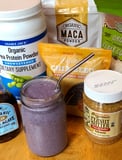
Your unconditional love for Trader Joe's and your passion for perfectly creamy, delicious smoothies is about to bond big time in your blender. As if you needed more reasons to love Trader Joe's - they already have the yummiest vegan foods, the best healthy snacks, the most essential freezer staples, and the products you need for being an amazing meal prepping machine - they also have the best ingredients for making smoothies. Throw these into your cart, then into your blender, and you'll be sipping happy.
This Is the Ultimate Move For Sculpting Arms and Abs - Try These 30 Variations

The ultimate bodyweight move, the plank is one of the best total-body moves you can add to your routine, especially if strong abs and arms are one of your goals. Add these effective variations to challenge your muscles even more.
Ever Wonder If Simply Walking More Can Help You Lose Weight? Here's Your Answer

When we think about the things that help us lose weight quickly, our minds automatically go to the more drastic or complicated things: being in a calorie deficit, doing a lot of HIIT cardio, swearing off sugar and soda, etc. But what if there were a simpler way to lose weight? Well, there might be.
Walking may sound like a wildly easy way to exercise, almost to the point where you might not think it has an effect on the body. That's where you're wrong, though. Walking is actually a great form of LISS (low-intensity sustained state) cardio, and if you walk briskly, you'll get your heart rate up, improve your cardiovascular health, and burn calories. You can actually burn up to 120 calories an hour when walking.
Celebrity trainer Harley Pasternak is a huge fan of walking, and encourages many of his clients to do more of it every day. He wants your goal to be 10,000 steps a day if you want to lose weight, and every last one of those steps can be from walking if you want. "That is a minimum," Harley told POPSUGAR. "For a lot of people, this is a real, simple thing to start with. I don't [tell clients] you need to start eating tofu, become gluten intolerant, whatever - just start moving. Be a little more active."
Besides, walking is a safe, risk-free form of exercise that you can do for a long period of time with friends or by yourself if you need some alone time. Just make sure you're walking fast enough to where you're slightly out of breath, but no need to go so fast you're huffing for air.
If you don't believe us yet, Brooke lost over 100 pounds and went from a size 22 to size 12 - and it all started with her walking 10,000 steps a day. So if weight loss is a goal of yours, just try walking more each and every day. Paired with a healthy diet and a good amount of sleep, this will help you reach your goals faster!
These Are the Worst Drinks For Weight Loss, According to Dietitians

When it comes to losing weight, diet plays a key role: you should load up on whole, nutrient-dense food such as leafy greens, non-starchy vegetables, whole grains, and lean proteins. You should also eat at a calorie deficit if you want the number on the scale to go down.
Sure, you may have all your meals in order, but what about the calories you are drinking? Sipping on sugary beverages can add hundreds of extra calories to your day, which can stall weight-loss progress or even lead to weight gain. These dietitians reveal the worst drinks for weight loss. If you're trying to slim down, skip these caloric beverages and instead opt for water, unflavored seltzer, or unsweetened tea and coffee.
Can Fasting Help You Lose Weight? These 10 Photos Are Proof That It Worked For Me
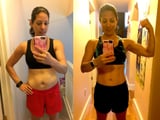
You've heard so much about the reasons to try intermittent fasting (IF), but will it really help you lose weight? Is it worth it? Check out these progress photos that show how different variations of IF helped me lose belly fat, get leaner, more defined muscles, and help me feel more confident and happier.
After seeing these photos, if you want to get started with intermittent fasting, be sure to talk with your doctor first.
Experts Say This Is How Much Body Fat and Weight You Could Lose in a Month
There's no one-size-fits-all method to losing weight and lowering your overall body fat percentage. Some people rely on diets like the ketogenic diet to lose weight, while others simply reduce the amount of processed foods they eat and adopt a consistent workout routine. The amount of body fat and weight you can lose in a given month will vary based on your current weight, diet, and activity level, to name a few variables that impact weight loss. To find out how much body fat and weight you can realistically expect to lose in a month, POPSUGAR spoke to the experts.
How Much Body Fat You Can Expect to Lose
"Under the assumption that nutrition is 100 percent during this process, it depends on the weight and body fat of each woman," said Stephen Cheuk, certificate IV Australian Institute of Personal Trainers certified trainer and founder of S10 Training in New York City. He explained that a woman who is already relatively lean (18 to 28 percent body fat) and strength trains can lose anywhere from 0.5 to 0.8 body fat in a single week. "If a woman is on the heavier side in weight and has a higher body fat percentage (over 28 percent), she could lose a minimum of one percent body fat a week," Stephen said.
How Much Weight You Can Expect to Lose
Pratik Patel, MS, RD, CSSD, CSCS, New York Giants director of performance nutrition and assistant strength and conditioning coach, told POPSUGAR, "If you can steadily lose anywhere from 1/2 pound to 1-2 pounds a week, you know you can control it." According to Pratik, a realistic and healthy way to achieve this would be to implement a calorie deficit.
One pound comes from about 3,500 calories, and if you eat 500 fewer calories than you burn from working out and other physical activity every day for a week, you'll be down one pound. By increasing this deficit to 750 calories a day for one week, you'll have lost one and a half pounds. Eating 1,000 fewer calories than what you burn with exercise will put you at a two-pound loss in a single week. This means that in a month you could lose anywhere from four to eight pounds. Pratik explained that losing no more than two pounds a week will ensure that you're burning fat instead of breaking down your muscle tissue.
Emmie Satrazemis, RD, CSSD, nutrition director at Trifecta, said, "Weight loss is strongly determined by one's age, starting body weight, their fitness levels, current body composition, and overall health." According to her, people who have more weight to lose and who currently consume a high calorie diet may lose more weight and quicker because "it is easier to cut high amounts of calories from a diet that is high in calories to begin with."
For sustainable weight loss, she recommends decreasing one's caloric intake by 15 percent and absolutely no more than 20 percent a day. She explained that going from eating 2,000 calories to 1,700 calories a day will result in a little over half of a pound of weight loss per week. "For some, losing one to two pounds a week is not realistic, while others may lose even more than that," she said. Emmie explained that consistent exercise can help you lose more weight but it may also increase your appetite. Because of this, she advises adjusting your caloric intake to accommodate an increased appetite.
Remember, before making any changes to your diet, please consult your doctor.
Elizabeth Lost 15 Pounds by Eating the Same Breakfast Every Single Day (Recipe Included!)

Elizabeth Harty was a Division I athlete in college, but her fitness level changed significantly when she had knee surgery. "The recovery was very hard for me," Elizabeth told POPSUGAR. "It took me a year to get back running on my feet. When I was finally able to work out, I just felt like the surgery totally changed my body in terms of body composition."
She ended up gaining weight slowly but surely, until she realized she wanted to get back to her previous weight and fitness abilities. "I decided it was time to whip my body back in shape and feel more like me," she shared. "All I had to do was scroll on the Renaissance Periodization Instagram and I was sold."
The rest is history. Her starting weight was 135.6 pounds and she lost 15 pounds, ending at 120.4. "I didn't really have a weight goal other than losing weight and changing my body composition," she said. "I was doing RP for the journey and life-changing experience."
Elizabeth says she feels "better than ever." Most importantly, she said, "I did not ever feel like I was starving myself through this entire process!" Here are the details on Elizabeth's 15-pound weight loss.
5 Changes I Made in My Life to Lose Face Fat and Get Healthy

When I was overweight and unhealthy, there were a lot of things I wanted to change. First and foremost, I wanted to have more energy and feel more like myself so I could go about my life like I used to. But I also wanted to fit into my clothes again, as well as reduce the extra weight that had been added to my face and neck area.
Getting rid of face fat may sound great for someone who wants to lose weight, but the sad truth is, you can't spot-reduce fat anywhere on your body, including (and especially) your face. However, it is possible! You just have to lose weight everywhere so that your hard work eventually reaches your face. These are the five things I did to lose face fat, and feel more confident and healthier than ever.
I Freed Myself From Bloating With These 3 Simple Diet Tweaks

Bloating is a widespread epidemic that many women suffer from on a daily basis. Not only is it annoying, but it usually means our body isn't processing or digesting food properly. I work out at least four days a week and have a relatively healthy diet, but despite my efforts, I still felt perpetually bloated and uncomfortable. Feeling frustrated and hopeless, I asked my trainer what else I could do to get rid of this annoying feeling. I made three small tweaks to my daily diet and lost five pounds in one week, eliminating the endless bloat I felt. Here's how I did it.
I Drank Lots of Water
When my trainer told me to drink a gallon of water a day, I thought he was crazy. I told him there was no way my body could even manage that amount of water. I thought for sure downing a gallon of water would only make me feel more bloated. Despite my griping, he told me to give it a try, so I did. To be honest, I did feel a little more bloated for the first day or two, but per his instructions, I was patient. After a week, to my surprise, it actually worked. Don't get me wrong, though, I had to pee a lot.
Drinking a gallon of water a day allowed me to flush out all the excess salt and sugar in my system that was already making me bloated. After the first week, I didn't have to continue my gallon a day challenge, but I do still aim to drink about 128 ounces of water a day. Not only does water help regulate your system, but it also manages hunger.
I Added Fiber to My Diet
My next task was to add fiber into my diet, ideally into every meal. So I added ground flax seeds to my morning oatmeal and various veggies throughout the day like celery. I work a desk job, so I munch on celery a lot when I'm hungry between meals. These fiber-enriched foods are also low in calories, making me feel fuller for longer.
Fiber helped my bloating because I wasn't overeating, so I was eliminating extra calories, also contributing to weight loss. It also helps with constipation, which can cause gas and bloating. The weird thing is that your body can't actually digest fiber, so when you eat it, your body is working harder and you're actually burning more calories than the calories in the food itself.
I Cut Back on Sugar
This task was probably the hardest one on my list. I love to put copious amounts of cream and sugar in my coffee to start off my day. I also work in an office setting so someone usually has a sugary treat that I can't pass up. This was part of my problem, though, so getting rid of those "treats" was necessary. Don't get me wrong, I didn't go crazy and eliminate every source of sugar in my diet – just refined sugar. A lot of foods naturally have some sugar in them, and that's OK, but my days of drinking sugar-infused coffee and soda were over. Hello, black coffee.
Cutting back on my sugar intake would make sure I didn't undo the damage that I worked so hard to correct. I didn't want any more unnecessary sugar sitting in my system making me feel bloated. Honestly, the more I cut sugar out, the less I craved it. Soon enough, if I had sugary coffee, it was actually too much for me. I preferred black.
Bloating is different for everyone, and what worked for me may not work for you. It takes practice and patience to figure out how your body responds to certain foods. I get it, sometimes you just want to throw your hands up in the air and give up – don't, though. Just keep going until you find what's right.
Does Drinking Cold Water Actually Aid Weight Loss? Finally, Here's You're Answer

You may have heard that drinking cold water can help you burn more calories throughout the day, but unfortunately, that tip is merely myth. Although it makes sense to think that your body would use more energy to heat the water to its core temperature, studies have found that the amount of calories burned (about four to seven calories per glass) is too minimal to actually make a difference. However, drinking cold water does offer benefits outside of weight loss.
According to Jacqueline Schaffer, MD, a board-certified medical doctor, "cold water can increase blood circulation on the skin's surface specifically," which can promote the appearance of glowing skin. Additionally, research has shown that drinking cold water during exercise can decrease dehydration and make you feel less tired, helping you work out longer as a result. The reason being that it helps keep your core body temperature cool.
But regardless of what temperature your water is, the most important thing is that you're drinking water at all. Dehydration is not something to take lightly: it can cause fatigue, irritability, muscle cramps, dizziness, and headaches, and even cause your metabolism to slow down without the ability to remove waste. A good rule of thumb is to to drink about half of your bodyweight (in pounds) in fluid ounces.
Moral of the story: just drink water. Period.
This Is Exactly How to Do Flexible Intermittent Fasting

When it comes to figuring out how to live a healthier life, I sometimes find myself lost in a vacuum of information that works overtime to explain why each and every diet or food fad is better than the last. One trend that's captured my attention (because it just seems so hard to do) is intermittent fasting, which involves eating only during a certain period of time (ex: 11 a.m. to 5 p.m.) and not consuming any calories before or after that. It's a diet that involves willpower and the ability to listen to your stomach growling without putting any food in your mouth to make it stop.
But the latest spin on the structured eating diet is called flexible intermittent fasting, and according to Kyle Kamp, the owner of Valley to Peak Nutrition, it's exactly what it sounds like. "Flexible intermittent fasting is an approach to fasting that isn't as tightly restricted as many of the other approaches to intermittent fasting for weight loss," says Kamp. This means, first and foremost, there's no magical eating window to stick to. "The flexible approach, by comparison, allows its followers to create that window at any point during the day. It doesn't have to be the same window day after day."
According to Kamp, another big distinction is that during fasting times, you may consume some calories, albeit lower than your normal daily intake. This may include a certain type of beverage or very low-calorie meals. This contrasts with many intermittent fasters in that they swear off any calorie intake during their fasting windows.
Who Should Try This
Not all food plans are right for everyone, so before you decide to try flexible intermittent fasting, make sure you understand your body and your motive for wanting to do it. Meagan Lindquist, a coach at Precision Nutrition, says that flexible intermittent fasting can be a great tool for weight loss and disease prevention. "If done right, it forces your body to dip into its own fat stores for energy, instead of the granola bar and banana you just ate that's circling through your bloodstream," she explains. "It also gives your digestive system a much-needed break, which aids in managing and fighting disease in the body. Carrying excess weight, especially around your midsection, can put you at more risk for certain diseases."
For women especially, Lindquist recommends using this as something to cycle through and not to implement every single day. "If you want to dive into this, try flexible intermittent fasting for a couple weeks, then switch it up again with your normal three meals a day. Use it as a tool, not a daily lifestyle."
The Benefits
When done properly, Caleb Backe, a health and wellness expert for Maple Holistics, says that intermittent fasting accomplishes several important things at once: "It teaches structure, control, and discipline. Plus, it empowers your mind and body, getting you in the habit of delaying gratification and mindful eating."
What You Should Know Before You Start
Before giving flexible intermittent fasting a try, Kamp says it's important to pay attention to your blood sugar levels. "Flexible intermittent fasting can certainly help folks manage their weight and blood sugar; however, at the end of the day, it shares one thing in common with all weight-loss approaches: reduced calorie intake," he says. "Some people find this approach easier because the usual recommendation of 'eat five small meals per day' is a program too complicated for them to adhere to. A word of caution for folks considering this approach: keep an eye out for blood sugars dropping too low. This is particularly important for folks with diabetes on medication to be aware of."
Backe says that before you begin a fast diet of any kind, you should consult with your general practitioner, get some blood work done, and see where your day-to-day health is at. "Once your body adapts to the schedule, it becomes a lot easier to go about your day and eat when the time is right," he says.
4 Ways Intermittent Fasting Helped Me Lose Body Fat Everywhere, Especially My Belly

I used to think that skipping meals was a recipe for disaster, but I quickly learned that intermittent fasting (IF) has a lot of benefits that can help you lose weight and shed body fat. IF isn't a diet, but rather it's a lifestyle where you eat all your meals within an eight-hour window and fast for the remaining 16 hours of the day.
I started doing IF a year ago, and that (coupled with regular exercising) helped me lose a percentage of body fat and drop two dress sizes. I was even able to gain a few pounds of muscle over the course of a few months. IF was a huge game changer for me, and more importantly, it helped me feel my very best. Here are four ways IF helped me lose body fat everywhere, especially my belly.
As a Latina, I Know Firsthand That Reproductive Justice Can Be Elusive

On the weekend of July 28, activists from across the country convened in Detroit for Power of Pink, the largest volunteer training ever for Planned Parenthood Action Fund and Planned Parenthood Advocates of Michigan. Victoria Ruiz, a Raíz organizing specialist from Nevada Advocates for Planned Parenthood, led one of the more than 50 workshops: a training on how to organize the Latinx community to build intersectional power.
I am a proud member of the Latinx community, and it was super important to me to do work that gives back to my community. I found that as a Raíz organizer for Planned Parenthood of the Rocky Mountains. The Latinx community is a vital part of Planned Parenthood's family. In 2016, 23 percent of Planned Parenthood patients were Latinx - more than 560,000 people.
Raíz is Planned Parenthood's program of community organizers who work exclusively in Latinx communities, through an intersectional lens with local organizations to address the barriers that Latinxs face in accessing health care and sex education. Raíz is about more than just access to health care; it is about justice. The barriers the Latinx community face in accessing health care are rooted in discrimination, and simply providing health care without addressing these barriers will not increase access in our communities. After all, what good is the right to reproductive health care if you cannot access it?
Given how diverse identities can be within our community, it is no surprise that we are not one-issue people or a one-issue community.
As a Raíz organizing specialist, it is my job to empower those who depend on Planned Parenthood services and transform them into leaders on the ground in the same Latinx communities we serve, to ensure we are meeting the needs and making strides to break down these barriers for the vast identities within our community.
One of the things I love most about my community is that we are all so different. My family is from a Mexican background, but my affiliate manager, who is a former Raíz organizer, is from Guatemala. We have found that even though we speak the same language, we have many cultural differences in the way we express ourselves through our dialects. Additionally, while I love mole con pollo, her mom makes the most amazing mole con platano dessert - which I had never heard of until I met her. Our music is different, and yet we both share a love for each other's music. I love mariachi groups (as does my manager), which is something Mexico is famous for, but I also love the sound of the marimba, which is commonly heard in Mexico's coastal state of Veracruz but happens to be Guatemala's national instrument. Given how diverse identities can be within our community, it is no surprise that we are not one-issue people or a one-issue community. We are not a monolith, and Planned Parenthood is here for us all.
Even in our experiences trying to access reproductive health care, our varying identities pose different barriers along the way. For some of us, a barrier may be immigration status, while for others, it may be language accessibility. For others, it may be income inequality or lack of health insurance, and for some, it may be all of the above.
To put it plainly, someone who needs an abortion may also be living in fear of deportation.
An undocumented woman in Texas may not be able to get an abortion if the region she lives in doesn't have an abortion provider. Given the recent shuttering of providers in Texas, she may have to drive hundreds of miles and cross several US Border Patrol checkpoints just to get to the next provider. And in the current political climate where undocumented immigrants are living in constant and very real fear of deportation, that is not a risk anyone should have to take just to exercise a constitutional right available to all US residents.
Access to health care is a basic human right. That's where Planned Parenthood comes in.
As a result of these barriers, Latinxs experience some of the highest rates of cervical cancer, unintended pregnancy, and sexually transmitted infections in the country. Planned Parenthood is here to help bridge some of these gaps - not only offering high-quality affordable health care to everyone but through specialized programs that capture the nuances of our full identities, like Raíz.
We understand that a Latinx community in Arizona looks completely different from a community in Illinois or in Florida, but we know there are similar issues across the board. It is our job to make sure each of those communities has access to reproductive care. We work with Latinx youth as well as their families, uplifting their voices and experiences, en Inglés y en Español, to sow seeds for a collective change. In Nevada, for example, Raíz has been present in the demand to stop the separation of undocumented families at the border and the development of a reunification plan for the thousands of children who have been separated from their parents.
With all communities under attack with this current administration, now is the time to mobilize people to fight back and elect officials who will address and defend their intersectional needs and their access to reproductive health care.
We in Raíz, alongside our partners, are committed to doing just that. In this moment when the recent SCOTUS nominee puts Roe v. Wade - the 1973 decision that affirmed the right to safe, legal abortion - at risk, immediate action is imperative to ensure our senators fight to protect our access to abortion in the US.
samedi 4 août 2018
Have the Best (Laziest) Summer With These 50+ Easy, Breezy Hacks

Hey, it's hot outside and it's hot inside - no one is here to judge you for wanting to put a minimal amount of effort into your Summer activities. But just because you're feeling super lazy, that doesn't mean you can't have a fun and fulfilling few months in the sun. Whether you're just trying to make it through the day without melting into a puddle or you're hoping to have the best Summer road trip, backyard BBQ, or pool party ever, we have rounded up all the genius time-, sanity-, and money-saving hacks you need in your Summer toolkit. Are you ready for the ultimate lazy Summer?
- Additional reporting by Erin Cullum, Alessia Santoro, Rosy Pahwa, Emily Co, Nicole Yi, Sarah Lipoff, and Macy Cate Williams
20+ Vegetarian Meals You Can Pop in the Freezer For Ultimate Convenience

I'm a big fan of spending my Sunday afternoons meal prepping for the week. It gives me something to do, plus I thoroughly hate cooking during the week after I get home from work. This means my fridge and freezer are constantly full of plastic containers stuffed with prepared meals. Each of the 20+ recipes here can also be prepped over the weekend and shoved in your freezer for the next night you don't feel like cooking. Bonus: they're all vegetarian, to suit anyone who's veggie or anyone (like me) who just really doesn't like cooking meat. Keep reading for meal-prep inspiration.
Looking For a Therapist? Here's Everything You Need to Know About Finding the Right One

Finding a mental health provider can be difficult, but certainly not impossible. Emotional well-being is a sensitive topic; however, it's one that affects many. In fact, approximately one in five adults in the US - that's 43.8 million people - experiences mental illness in a given year, and only 41 percent of adults in the US with a mental health condition received care in the past year, according to a 2015 survey.
With the current discussion of mental health after the tragic losses of Kate Spade and Anthony Bourdain, breaking the stigma and helping those with mental health issues seek help is being brought to the spotlight. Every person experiences adversity and challenges at some point in their life, and sometimes having the support of a mental health provider can be helpful if not critical to overcoming it.
Finding a provider that is aligned with your personal needs can take time. It is important that you stay the course to find someone who is a good personality match for you, and after a few sessions, if you decide it's not a fit, it's OK to try someone new.
Below are some tips to help guide you in your search for a therapist:
Ask Friends and Family You Trust For Recommendations
Due to conflict, most therapists won't see you as a patient if they see your family or friends. However, therapists often have close-knit circles of other professionals that they can use for referral networks. Your primary care physician (PCP) can also be a resource for you to find a mental health provider. If you have a good relationship with your doctor, see if they can help you get started with a referral. Getting a recommendation is like an inside scoop on finding someone great to help you.
You're Special, So Pick a Specialist
While this doesn't apply to everyone looking to speak with a therapist, if you have been previously diagnosed with certain disorders such as generalized anxiety disorder (GAD), major depressive disorder (MDD), obsessive compulsive disorder (OCD), attention deficit hyperactivity disorder (ADHD), addiction, an eating disorder, or another diagnosis, it's important to find someone who specializes in treating that condition. Look at mental health provider profiles to check if their specialties align with your diagnosis.
Google, but Don't WebMD It
The internet is a great place to do your research to find a mental health provider. Whether using sites to find someone in your neighborhood who takes your insurance, reading provider profiles, or seeing reviews, having resources is always great. Searching for providers can help you get a sense of that person from their reviews and experience. However, do be mindful that one bad review shouldn't deter you from having a phone call - we all want something different out of mental support, and you may like that person.
A Strong Résumé Does Not Always Equal Relationship-Worthy
While most will tell you the credentials for a provider are key, sometimes you just need to click with a person. Of course you want a therapist who is licensed and completed an accredited specialty program for their area of expertise. However, what looks good on paper - e.g., Ivy League grad - doesn't always equate to a match for your personality. Use your intuition to discern whether your temperament aligns with the therapist's approach and demeanor. Simply stated, trust your gut!
Date Around
Before you book an appointment with a therapist, have a phone date. Interview them to get a sense of their style and talking approach. A phone call beforehand can give you a sense of the therapist and their thought process and will let them get to know you a bit.
Here are some good questions to ask:
- What is their approach to therapy (e.g., do they follow a psychiatry or psychology "school of thought")?
- Ask what a session would be like. Do they let you just talk? Do they give advice? Do they focus on why or what is causing you to feel a particular way?
- Do they have experience working with the mental health issue you're encountering? (You can explain if you've just been feeling sad, overly stressed, having relationship issues, etc.)
- What can you expect as far as your emotional well-being progress is concerned? (Note: there are many types of therapist and mental health providers - it's good to familiarize yourself with those and think about what most closely aligns with your goals.)
The First Date
Once you've found a person that you like and have an initial first phone call, you'll have your first session with them. During the first meeting, similar to a first date, the therapist or provider will have what they call an intake session. You will be asked about your background, provide medical history, and explain why you have chosen to look for a mental health provider. Sometimes intake can take one to two sessions - be patient. Having this information will only be helpful down the line. Just as you want to get to know a person on the first few dates before you decide if you want to keep seeing them, the same goes with a therapist. Don't expect the first session to be a place to fully unload everything you need to get off your chest.
Explore Other Options
Lastly, if you are unsure whether a one-on-one style works for you, support groups are a great place to look. Find a support group that focuses on what you are experiencing. For example, if you are dealing with a loss, look for a support group that deals with loss of a loved one. This will be a great place to share what you are experiencing but also be around a group of people who can truly understand what you are going through.
In addition to seeking out a mental health professional, here are some apps to have at your fingertips to help manage your day to day.
- Headspace: Combining science and meditation, Headspace offers research-based meditation journeys to help address anxiety, stress, and overall mental health. The app provides guided meditation for beginners to novices.
- Calm: Similar to Headspace, Calm is a meditation app that provides various tracks of guided meditation to focus on the now. Mindfulness is the goal to help users breathe through the tough times using tools learned in each session.
- Pacifica: A combination of Headspace and a journaling tool, Pacifica provides guided meditation tracks based on your goals, provides a place for you to journal and track your progress, and even allows you to connect with your mental health provider for a holistic perspective on your journey.
Your journey to overcoming the stresses in your life and addressing your mental health needs doesn't need to be a lonely one. Start your path to finding a provider today.
A Golden Girls Cookbook Is Happening, and We're Already Hooked on the Cheesecake Recipe

The only thing that might be better than cooking with Sophia, Blanche, Dorothy, and Rose is cooking recipes inspired by Golden Girls while the show plays in the background. That will be a possibility soon enough, because a Golden Girls cookbook is coming out in 2020! The book, set to be published by Kingswell, an imprint of Disney Publishing, will be full of recipes inspired by the timeless sitcom, according to Babble.
Few additional details are known yet, but it wouldn't be a culinary ode to Golden Girls without at least one cheesecake recipe, would it? Babble has released the book's recipe for Double Fudge Chocolate Cheesecake, and yep, this cookbook is going to be legit. Just like the girls used to do, we see many round-the-cheesecake chats happening in our futures, too.
These Wines by the Glass Are Small Enough to Stash in Your Purse - and They're So Chic!

It's a common dilemma: you want to open a new bottle of wine, but you only plan on drinking a glass or two. Some wine experts say it's best to finish the whole bottle within 24 hours for the freshest taste, and it's a bummer to pour another glass the following week only to realize it's gone bad. A solution that's becoming more common is the idea of letting people buy wines by the glass - in places other than restaurants. And a new company called Standard Wines, which launched in November, makes this concept more accessible to wine-lovers everywhere.
From the founders of Vinebox, the wines-by-the-glass subscription service, Standard offers a red, white, and Rosé wine, each made in California and packaged in a 187-milliliter bottle that's, might I add, quite chic. Each bottle (aka glass) translates to one 6.3-ounce pour and costs $8. Right now, Standard Wines are available to order online (starting in packs of six).
"As options for alternative formats increase, it seems the median level of quality is dropping in correlation. It's our mission to remove the compromise associated with smaller formats and deliver generous, quality wines to everyone in an easy-to-enjoy, noncommittal, single-serving size," the company said in a press release. If you're into the idea of reaching for a one-and-done glass of wine whenever you feel like it (and not worrying about finding a bottle stopper when you're done), keep reading to learn more about this new company's offerings before you see them in stores.
20 Freezer Meals For Back to School and Beyond

When you're on the go, it's incredibly convenient to have meals that are fully prepared in the freezer. Just pop these dishes in the oven until they're nice and hot and enjoy a home-cooked meal whenever you want. Here are 20 fast and easy ideas that also happen to freeze very well.

 Articles


